Friday, November 8, 2024

"Australia's Bold Move: Proposed Social Media Ban for Under-16s Sparks Debate"


The Australian Prime Minister, Anthony Albanese, has announced a proposal to set a minimum age requirement of 16 for accessing social media, igniting a robust debate on children’s access to digital platforms. The proposed measure aims to protect young users from online harms, including exposure to inappropriate content, cyberbullying, and privacy risks.

Supporters argue that the plan could foster healthier social development by allowing children to focus more on in-person interactions, academics, and physical activities. They also highlight the growing evidence of the link between social media use and mental health issues, such as anxiety and depression, especially in teenagers. A minimum age limit, they argue, would act as a safeguard during these formative years, reducing young people’s exposure to the sometimes harmful world of social media.

On the other hand, critics contend that an outright ban may be overly restrictive and difficult to enforce, potentially encouraging children to find alternative or unauthorized ways to access these platforms. Some believe that social media, when used appropriately, can provide educational and social benefits, such as maintaining friendships and developing digital literacy skills. Instead of a strict age cutoff, these critics suggest that comprehensive education on responsible social media use, combined with robust parental controls and platform monitoring, may be more effective.

The question remains: should children under 16 be barred from social media, or is there a middle ground that balances safety with freedom? This is a nuanced issue, and whether such a policy is ultimately enacted may hinge on finding ways to address both the developmental needs and digital safety of children in today’s online world.

"How Shetland Got Back on Track: The Impact of Ashley Jensen's Departure on the Show’s Revival"


ABOUT : The Shetland drama series, based on Ann Cleeves' novels, is a BBC crime series set against the rugged landscapes of Scotland’s Shetland Islands. Known for its atmospheric, Scandi-noir feel, it follows the life and cases of DI Jimmy Perez, portrayed by Douglas Henshall until season eight. The show captures the tight-knit, isolated nature of Shetland’s community, where crimes reveal deep-seated secrets and character complexities. In season nine, DI Ruth Calder, played by Ashley Jensen, brings a fresh perspective, though some fans miss the original portrayal. The series remains one of the BBC’s most celebrated crime dramas.

Shetland, known for its Scandi-noir vibe with bleak landscapes and cozy knitwear, hit a stumbling block last season. When Douglas Henshall left, Ashley Jensen took over as DI Ruth Calder, bringing a metropolitan edge that diluted the show’s distinct setting. With the new ninth season, though, the show feels back on track, easing into its familiar tone without needing to focus on Calder’s backstory. A recap in the opening scene brought viewers up to speed, setting the stage for a return to the atmospheric storytelling that Shetland fans love.


Thursday, November 7, 2024

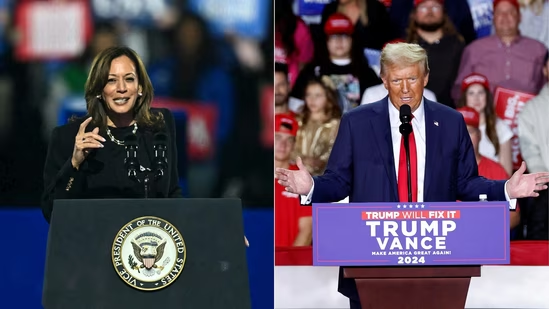
Donald Trump, the 45th President of the United States

Donald Trump, the 45th President of the United States, remains a highly influential yet polarizing figure in American politics. Since leaving office in January 2021, he has continued to shape the Republican Party and the national political landscape, partly through his frequent public statements, media appearances, and rallies. Here are some key aspects of his ongoing influence in U.S. politics:

1. 2024 Presidential Bid

Trump announced his candidacy for the 2024 presidential election, aiming to return to the White House. His campaign continues to focus on issues central to his previous run, such as economic revival, immigration reform, and a populist, “America First” agenda. However, Trump’s 2024 campaign rhetoric is also shaped by his claims of election fraud in the 2020 election, which he has maintained despite the lack of concrete evidence. His campaign may face scrutiny over ongoing legal issues but remains popular with his base.

2. Control Over the Republican Party

Trump continues to wield substantial influence within the Republican Party, especially among its more conservative, populist factions. He has endorsed numerous candidates in local, state, and federal elections, often leading them to primary victories, particularly in “red” states where his endorsement remains a significant asset. Some Republicans have distanced themselves, advocating for a return to more traditional conservative values, but Trump’s support among the base remains strong, making it challenging for others to counter his influence within the party.

3. Policy and Ideological Impact

Trump’s policies, such as tax cuts, deregulation, and immigration reform, have left a lasting mark on the GOP platform. His “America First” stance reshaped Republican priorities, especially in areas like trade, foreign policy, and isolationist tendencies, which differ from the more interventionist approach traditionally held by the party. Even after his presidency, his views on these issues continue to inform the GOP’s policy direction.

4. Legal Challenges and Investigations

Trump has faced several legal investigations and indictments, including charges related to business dealings, alleged election interference, and the events surrounding the January 6, 2021, Capitol attack. These cases have sparked political debates and may impact his 2024 campaign, although Trump and his supporters often frame these issues as politically motivated attacks by opponents.

5. Social Media and Public Communication

Trump, banned from major platforms like Twitter (now X) and Facebook after the January 6 incident, initially communicated through his own platform, Truth Social. In late 2022, however, he was reinstated on these platforms, broadening his ability to reach a larger audience. His use of social media has been instrumental in directly addressing his base, often bypassing traditional media to share his opinions on policy, his opponents, and ongoing political developments.

6. Public Sentiment and Cultural Impact

Trump remains a cultural and political figure who generates strong reactions on both sides of the aisle. For many of his supporters, he embodies a rejection of the “establishment” and a voice for traditionally marginalized conservative values. For his critics, Trump represents a divisive, controversial approach to governance that has raised concerns about the rule of law and democratic norms.

Trump’s ongoing role in U.S. politics is significant, and his presence in the 2024 race could shape not only the Republican primary but also the broader national political discourse. His impact will likely remain a focal point in American politics for years to come, whether as a candidate or as a long-standing symbol of the populist right.


"INR Hits Record Lows Against USD: How Weak Domestic Equities Are Fueling the Slide"

The Indian Rupee (INR) has reached new all-time lows against the U.S. Dollar, driven by several factors. One key influence has been the recent underperformance in domestic equity markets, which saw a sell-off amid concerns over global economic slowdown and heightened geopolitical tensions. This has dampened investor confidence, prompting foreign investors to pull out of Indian markets and causing the Rupee to depreciate further.

In addition to local equity weakness, external factors such as the strengthening U.S. Dollar, driven by rising U.S. interest rates and demand for safe-haven assets, have also contributed to the Rupee’s decline. High global crude oil prices have further pressured the Rupee, as India imports a large portion of its oil, which becomes more expensive with a weaker currency.

The Reserve Bank of India (RBI) has intervened in the currency market at times to limit excessive volatility, but persistent pressures have limited its ability to prevent a broader downtrend. This depreciation of the Rupee may have broad economic implications, impacting import costs and potentially increasing inflationary pressures in the economy.

Things one should know about the US election


Understanding the U.S. election system can seem complex due to its unique features and layered structure. Here are key things to know about it:

1. Two Primary Types of Elections

  • Presidential Elections: Held every four years, these determine the President and Vice President.
  • Midterm Elections: Occur every two years, midway through a president's term. These elections include all 435 seats in the House of Representatives, one-third of the Senate, and many local and state offices.

2. The Electoral College

  • The U.S. uses an Electoral College system for presidential elections, where citizens vote for electors who, in turn, vote for the President and Vice President. Each state’s electoral votes are roughly based on its population size, with a total of 538 votes available (270 needed to win).
  • Most states follow a “winner-take-all” approach, where the candidate with the majority vote in that state wins all its electoral votes, though Maine and Nebraska use a different method, distributing votes based on district outcomes.

3. Primary and Caucus Systems

  • Before the general election, political parties hold primaries and caucuses in each state to select their nominees.
  • Primaries are more common and function like regular elections, while caucuses involve gatherings where voters discuss and choose their preferred candidate. These events ultimately lead to the party conventions where the nominees are officially selected.

4. Key Voting Rights Laws

  • Voting rights in the U.S. have evolved significantly, with major milestones like the Voting Rights Act of 1965 and the 19th Amendment (which gave women the right to vote). State laws still vary widely in terms of voter ID requirements, registration deadlines, and early voting policies, all of which can impact turnout.

5. Influence of Swing States

  • “Swing states” or “battleground states” are those with no strong lean toward a particular party, making them crucial in determining the election outcome. States like Florida, Pennsylvania, and Michigan often receive intense focus because a small shift in votes can alter the overall election result.

6. The Role of Campaign Finance

  • Campaign finance plays a significant role in U.S. elections. The amount of money candidates raise can impact their visibility, advertising, and overall influence. Campaign finance laws, regulated by the Federal Election Commission, govern how candidates and organizations can raise and spend money, with limits on individual contributions but fewer restrictions on political action committees (PACs) and super PACs.

7. Voter Participation and Turnout

  • Voter turnout in the U.S. tends to be lower compared to other democracies. However, recent elections have seen increased engagement, with record turnout for both presidential and midterm elections. Issues like voter suppression, accessibility, and public interest significantly impact participation.

8. Certification and Transition of Power

  • After the election, states certify the results, and in the case of a presidential election, electors cast their votes in December. The new President is inaugurated on January 20 following the election year.

Understanding these elements can provide a clearer perspective on the U.S. election process and its influence both nationally and internationally.

Tuesday, November 5, 2024

"Pet Cafes on the Rise: How Cat and Dog Lounges are Boosting the Pet Economy"


With China’s pet economy booming, pet cafes are flourishing as popular retreats. Offering a tranquil space to unwind with rescued cats or dogs, these cafes provide a unique experience that combines relaxation with animal welfare. Paw Infinity in Beijing, for example, has rescued nearly 30 stray cats since June. Embracing the “adopt, don’t shop” philosophy, such cafes attract visitors, sustain revenue, and support the long-term stability of animal rescue efforts.

The pet economy is booming worldwide, and a huge part of this surge can be attributed to the growing popularity of pet-friendly spaces, particularly the cat and dog cafes popping up in urban areas. These spots combine the love for pets with a unique café experience, attracting animal lovers and coffee enthusiasts alike. Here’s a closer look at why pet cafes are flourishing and the impact they’re having on the global economy.

Why Are Cat and Dog Cafes So Popular?

The concept of pet cafes began in Asia, with the first cat cafe opening in Taipei in 1998. The idea quickly spread, particularly in Japan, where tight living spaces and pet restrictions make it difficult for many people to have pets at home. Today, the trend has reached global cities, from New York to Paris to Mumbai, and continues to attract people for various reasons:

  1. Therapeutic Escape: Spending time with animals has well-documented mental health benefits, from reducing stress to improving mood. Pet cafes offer this therapeutic benefit, allowing people to unwind in the company of furry friends without the long-term commitment of pet ownership.

  2. Pet Ownership Without the Commitment: Many animal lovers simply aren’t able to have pets at home due to factors like living arrangements, allergies, or lifestyle constraints. These cafes give them a chance to experience companionship with animals without the responsibilities of daily care.

  3. Social Experience: Pet cafes also create a unique social environment. Patrons often share stories about their own pets, fostering connections among like-minded individuals. Many cafes also host events, from pet adoption drives to themed parties, enhancing the sense of community.

  4. Instagram Appeal: In today’s social media-driven world, pet cafes are highly photogenic and perfectly suited for Instagram. Sharing pictures of an adorable cat napping next to a latte or a puppy curled up beside a cappuccino attracts more visitors and spreads the word, giving these cafes a viral edge.

The Economic Impact of Pet Cafes

The pet economy is now worth billions globally, with pet cafes contributing significantly. Here’s how they play a role:

  1. Job Creation: From pet handlers to baristas, pet cafes create jobs in the service and pet care industries. Specialized roles are often required for animal handling, veterinary care, and cleaning, boosting employment in these fields.

  2. Boosting Local Economies: Pet cafes draw tourists, particularly in cities where they’re a new concept. As these cafes tend to source food and supplies locally, they also support nearby vendors, farmers, and suppliers.

  3. Supporting Pet Adoption and Rescue Initiatives: Many pet cafes work with local shelters, providing homes for animals that would otherwise remain homeless. These cafes foster adoptions, helping connect potential pet owners with rescue animals, which reduces the burden on local shelters and promotes responsible pet ownership.

  4. Additional Revenue Streams: Most pet cafes sell themed merchandise—think pet-themed mugs, apparel, or even pet products—which increases revenue. Some cafes even offer pet grooming services or organize pet-themed events, adding diverse income streams to keep the business profitable.

Challenges in Running Pet Cafes

Running a pet cafe requires much more than brewing good coffee. Here are a few unique challenges these businesses face:

  1. Health and Safety Regulations: Mixing animals and food service requires strict hygiene and regulatory compliance. Countries vary in their health codes, and pet cafes often need to meet special requirements to ensure customer safety and animal welfare.

  2. High Maintenance Costs: Caring for animals is a major operational cost for pet cafes. They must provide regular veterinary check-ups, proper diets, grooming, and cleaning supplies. The expense of animal care can be substantial, especially if the animals are rescues with existing health needs.

  3. Seasonal Demand: Some cafes face fluctuating visitor numbers, often seeing a dip during colder months or holidays. They may need to get creative with promotions, events, or partnerships to maintain a steady customer base year-round.

  4. Balancing Animal Welfare and Customer Interaction: It’s essential for cafes to ensure the animals aren’t overwhelmed or over-stimulated. Many cafes limit the number of patrons or time spent with the animals, but this can sometimes lead to dissatisfaction among customers who want a longer experience.

What’s Next for Pet Cafes?

The pet cafe trend is expected to continue growing. Future cafes may incorporate more technology, such as online booking systems, mobile apps for reservations, or even virtual pet interactions through augmented reality for those who can’t visit in person. Additionally, as people become more eco-conscious, cafes may also incorporate sustainable pet products and zero-waste practices.

In Conclusion

Pet cafes are a delightful example of how the pet economy is innovating to meet the changing needs of animal lovers worldwide. As people continue to seek comfort, connection, and convenience in their interactions with animals, these cafes bridge the gap between pet ownership and companionship. Whether it’s the soothing purr of a cat or the joyful bark of a dog, pet cafes provide a unique environment that brings people and pets closer together—one coffee cup at a time.

Monday, November 4, 2024

"Swiggy vs Zomato: Which Stock is the Better Investment? A Guide to the Swiggy IPO and Zomato Shares"


As Swiggy prepares for its upcoming IPO, set to launch on November 6, 2024, it aims to raise approximately ₹11,330 crore ($1.25 billion) at a valuation of around $11.3 billion​.​

Analysts suggest that while Swiggy shows improvement—like a positive EBITDA of 0.8% in Q1 FY25 and a growing user base—its valuation is still below Zomato's, which currently stands at about $26 billion​.

Investors are divided. Some experts recommend caution with the Swiggy IPO until it demonstrates more consistent profitability and growth, while others suggest it could be a competitive alternative to Zomato in the long run​.

 If you already own Zomato shares, it might be wise to assess its recent performance and strategic moves compared to Swiggy’s anticipated growth before making a decision​.

For further details, you can explore more on the upcoming IPO and market insights.

Northern Lights Alert! You might still catch a stunning aurora show tonight in some U.S. states—don’t miss your chance to see the sky light up! 🌌✨

  Canadians and Alaskans get front-row seats to the northern lights, but some northern U.S. states could still catch the magical show! 🌌🇨...